

In today’s fast-paced world, most of us live on auto-pilot mode—full of stress, anger, anxiety, and unanswered questions about life.
I was no different.
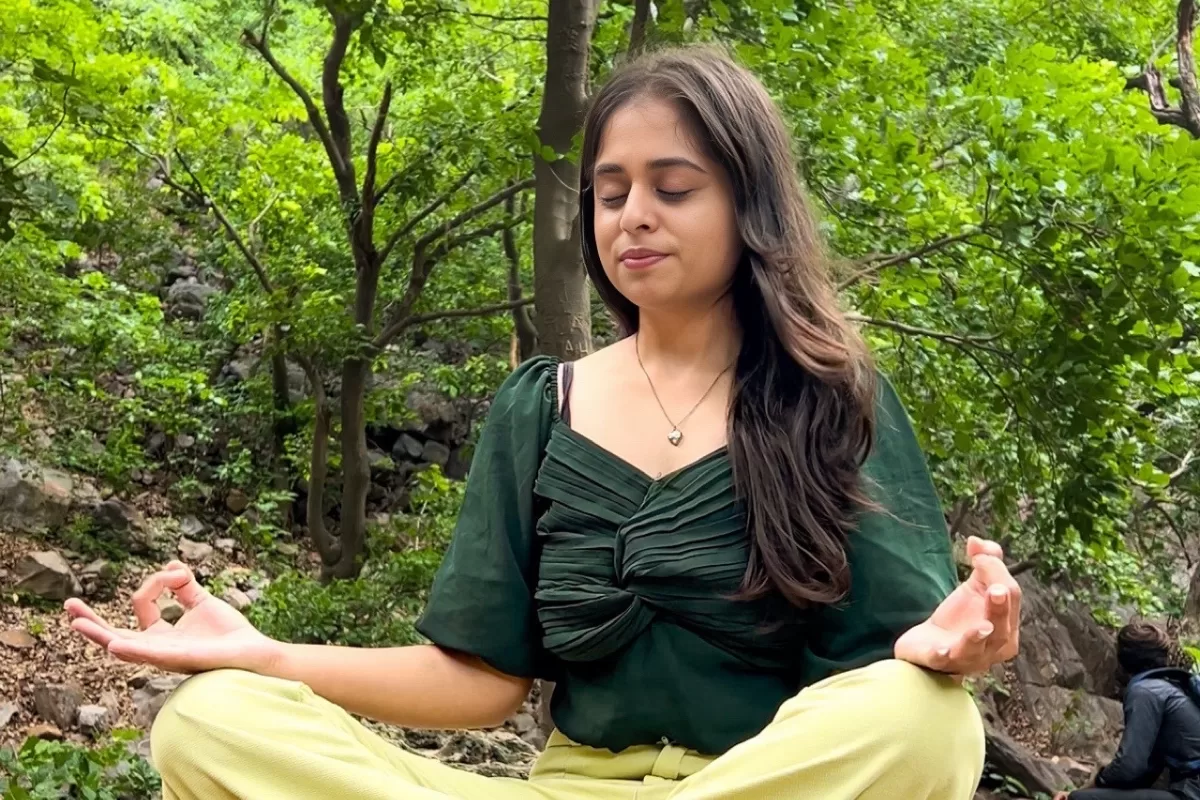
That’s when I decided to attend a 10-Day Vipassana Meditation Course, and honestly, it turned out to be one of the most powerful experiences of my life.
In this blog, I’ll explain:
What Vipassana meditation is
How to register and apply
Why you should choose Vipassana
My day-by-day 10-day Vipassana experience
What changed in me after Vipassana
What Is Vipassana Meditation?
Vipassana is one of the oldest meditation techniques of India, rediscovered by Gautama Buddha more than 2,500 years ago.
The word Vipassana means “to see things as they really are.”
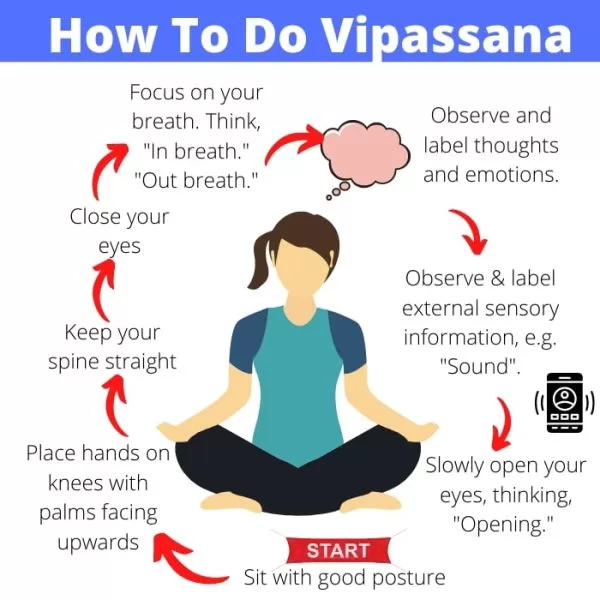
It is a practical, logical, and scientific meditation technique that focuses on:
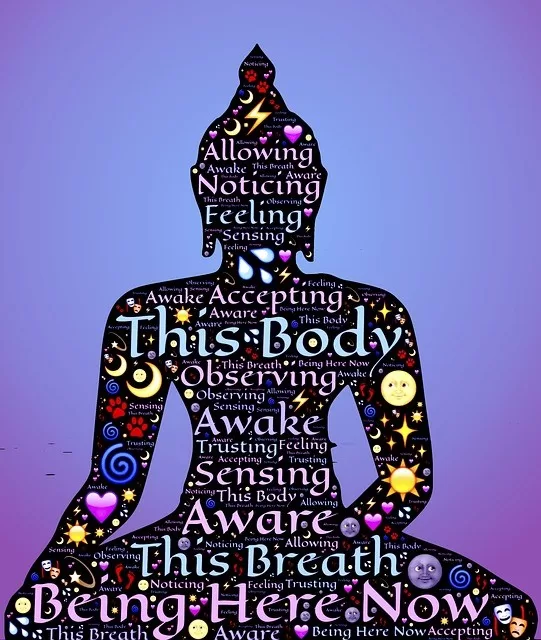
Observing natural breath (Anapana)
Observing bodily sensations without reaction
Developing awareness, balance, and wisdom
Vipassana is taught in 10-day residential silent retreats, following a strict daily schedule and code of discipline.
All teachings are given through recorded discourses by S. N. Goenka, who played a major role in spreading Vipassana across the world.
How to Register & Apply for a 10-Day Vipassana Course
Applying for Vipassana is simple and completely free.
Step-by-Step Registration Process:
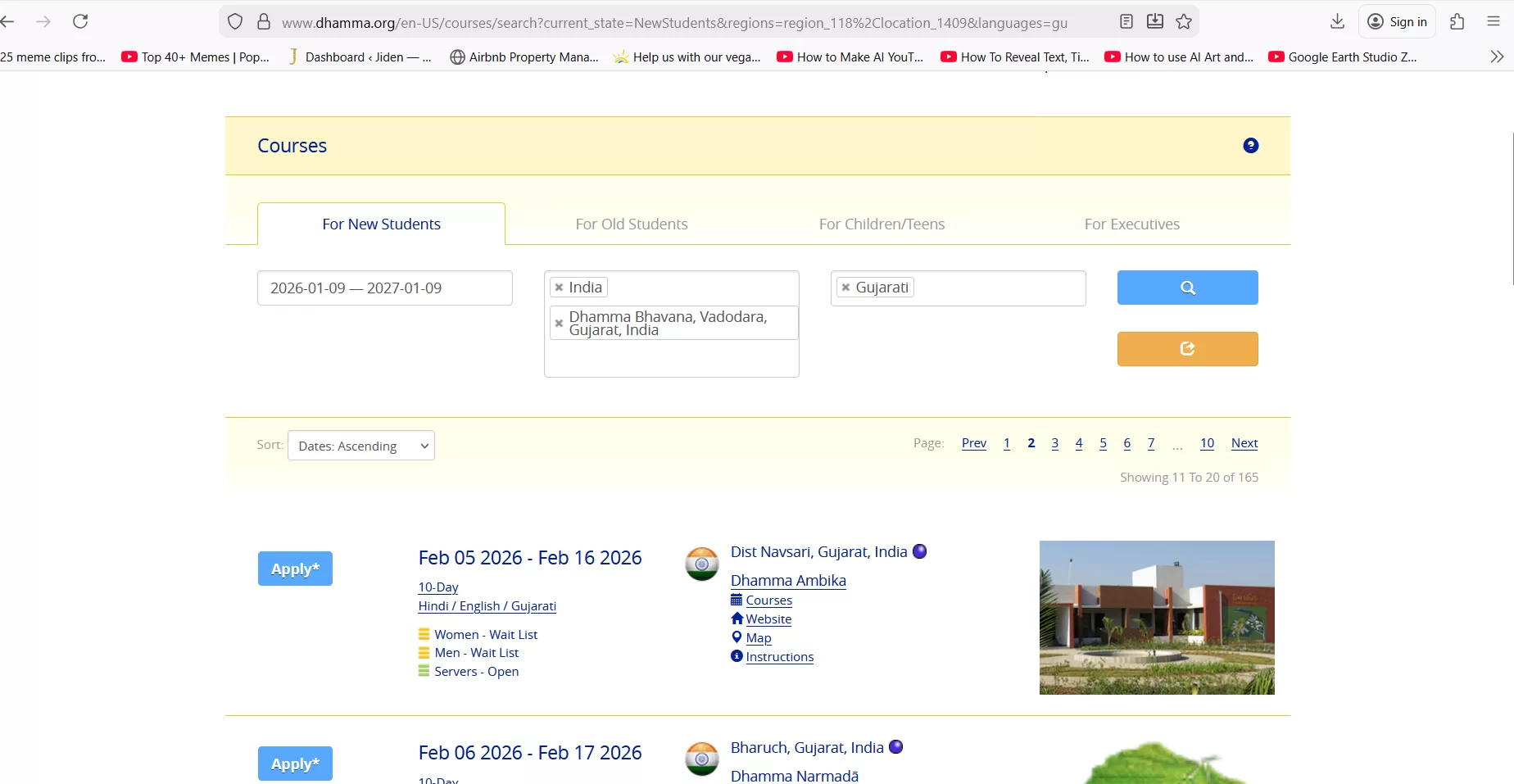
Visit the official Vipassana website : https://www.dhamma.org/en-US/courses/search
Choose your country and nearest Vipassana center
Select available 10-day course dates
Fill out the application form honestly
Wait for confirmation via email
👉 Important:
The course is 100% free (run on donations from old students)
Food and accommodation are provided
Mobile phones, books, and writing materials are not allowed. you have to submit to their office before the course starts.
Why Choose Vipassana Meditation?
Here’s why millions of people worldwide choose Vipassana:
Completely free of cost
No religious conversion
Purely based on self-experience
Helps remove deep-rooted mental impurities
Improves focus, patience, and emotional balance
Reduces anger, stress, and anxiety
Brings clarity about life decisions
Vipassana doesn’t teach you what to believe—
It teaches you how to observe yourself.
Vipassana Center I Chose: Ahmedabad (Dholka)
I attended my 10-Day Vipassana Meditation Course at the Vipassana Meditation Centre, Dholka, which is located about 40 km from Ahmedabad.
The center is surrounded by nature, completely peaceful, and ideal for deep meditation.
Being away from city noise helped me focus fully on the practice and on myself.
The Dholka Vipassana Center is well-maintained, disciplined, and follows the exact teachings of S. N. Goenka, making it a great choice for first-time students.
Daily Schedule of a 10-Day Vipassana Course
You meditate for almost 10 hours a day.
Typical Daily Timetable:
4:00 am – Wake up
4:30 am – Morning meditation
6:30 am – Breakfast
8:00 am – Group meditation
11:00 am – Lunch
1:00 pm – Meditation
5:00 pm – Tea break
6:00 pm – Group meditation
7:00 pm – Discourse by Goenkaji
9:00 pm – Lights off
The 1-hour daily discourse helped me find answers to many life questions I never understood before.
Vipassana Packing List (Based on My Personal Experience)
This is the exact packing list I used for my 10-Day Vipassana course, prepared from real experience.
It helped me stay comfortable and focused throughout the retreat.
Essential Documents & Money
Aadhaar Card / ID proof
Cash (limited use, but necessary)
Lock and key
Small sling bag (for daily use inside campus)
Clothing & Warm Wear
Loose, comfortable clothes (for meditation)
Undergarments
Socks
Jacket / sweater
Shawl / stole
Cap (for sun or cold mornings)
Extra cloth bag (for laundry or storage)
Cloth pins
Bedding & Sleep Items
bedsheet
Pillow cover
Blanket (optional but useful)
Meditation & Daily Use Items
Alarm clock (with extra batteries)
Torch / night lamp
water bottle
Handkerchief
Tissues
Napkin
Extra plastic bag
Toiletries & Personal Care
Toothbrush & toothpaste (dental kit)
Bath towel
Slippers (2 pairs – bathroom & outside)
Shampoo
Conditioner
Body wash / soap
Face wash
Hand wash
Body lotion
Lip balm
Sunscreen
Hair oil
Comb
Health & First Aid Kit (Very Important)
(This helped me a lot during long sitting hours)
Move spray / pain relief spray
Iodex
Dolo (paracetamol)
Tonsils medicine
Cough syrup / tablets
Headache medicine
Digestion pills
ORS / electrolyte packets
Shardini goli
Vicks
Coconut oil
Odomos (mosquito repellent)
Hot water bag
👉 Tip: Inform the Vipassana management if you have any medical condition.
❌ Items NOT Allowed (you have to submit to the vipasana office)
Mobile phone
Smartwatch / fitness band
Earphones
Notebook & pen (after registration day)
Books
Snacks / outside food
Alcohol, cigarettes, tobacco
(All electronic and restricted items are deposited at registration.)
Practical Packing Tips
Pack light but smart
Comfort > fashion
Pain relief & ORS are very useful
Keep everything simple and minimal
Label your items if possible
My 10-Day Vipassana Experience (Day-by-Day)
Day 1: Feeling at Home
On the first day, I felt:
“This is very nice… I’m made for this.”
Silence felt peaceful, and meditation felt natural.
Day 2: Mind Chaos Begins
My mind exploded with:
Past memories
Sadness
Anger
Hate for people who hurt me
I realized how noisy my mind actually was.
Day 3: Meeting Myself
This was a turning point.
I started questioning:
Who am I really?
What am I doing with my life?
What should I stop doing?
For the first time, I truly met myself.
Day 4: Vipassana Technique Begins (Very Tough Day)
This day introduced Vipassana body-scan meditation.
Rules became strict:
No changing posture
No moving legs
No reacting to pain
My legs and back were in extreme pain.
It was mentally and physically exhausting.
Day 5: Recovery & Focus
I took ORS, felt better physically, and could focus more.
Pain was still there—but my awareness increased.
Day 6: The Hardest Day
Honestly, this was the most painful day:
Full body pain
Mental resistance
Strong urge to quit
But I stayed.
Day 7: Feeling Free
Something magical happened.
I felt like:
“All my paap is cleared… I am free.”
I was given Shunyagar (private meditation room), which deepened my practice.
Day 8–10: Awareness Without Guilt
From Day 7 to Day 10:
I saw my mistakes clearly
No guilt
No self-hatred
Only awareness
Now, I know my mistakes—and I’m aware enough not to repeat them.
How Vipassana Changed Me
Before Vipassana:
I was chid-chidi (irritable)
Easily angry
Emotionally reactive
After Vipassana:
My mind is calmer
I respond instead of reacting
More patience and clarity
Vipassana didn’t change the world around me—
It changed how I see the world.
Final Thoughts: Is Vipassana Worth It?
Yes. 100 times YES.
Vipassana is not easy.
It is painful.
It is uncomfortable.
But if you stay till the end, you may:
Understand yourself deeply
Heal emotional wounds
Find answers you never knew you were searching for
If you are ready to face yourself—
Vipassana is for you.
I want a join
Visit the official Vipassana website : https://www.dhamma.org/en-US/courses/search
Choose your country and nearest Vipassana center
Select available 10-day course dates
Fill out the application form honestly
Wait for confirmation via email
I nid help
yes, you can mail me on masterarc.live@gmail.com
I m interested plss help
Visit the official Vipassana website : https://www.dhamma.org/en-US/courses/search
Choose your country and nearest Vipassana center
Select available 10-day course dates
Fill out the application form honestly
Wait for confirmation via email
I m interested plss join me
Visit the official Vipassana website : https://www.dhamma.org/en-US/courses/search
Choose your country and nearest Vipassana center
Select available 10-day course dates
Fill out the application form honestly
Wait for confirmation via email